
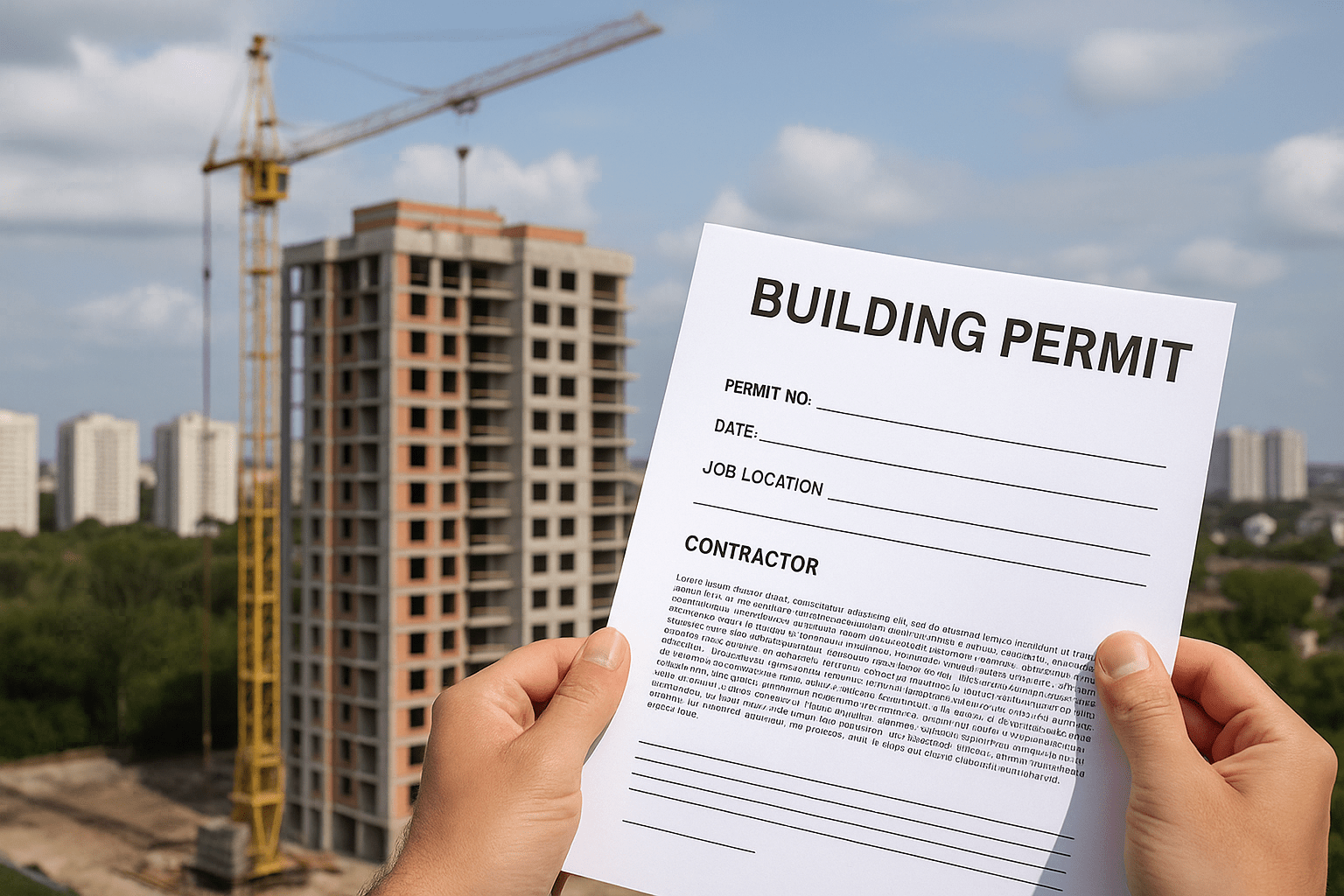
When people talk about real estate, the focus is often on design, location, amenities, and return on investment. What rarely makes it to the spotlight, but is fundamental, is this: permits. From a legal and safety standpoint, a building is only as strong as its paperwork.
In India’s rapidly urbanising landscape, getting the proper approvals before breaking ground is not just a bureaucratic formality, it is the difference between long-term security and perpetual risk.
What Is a Building Permit?
A building permit is formal approval from a regulatory authority, usually a municipal corporation or state planning department, that allows you to start construction or make changes to an existing structure. It confirms that your project complies with local zoning laws, building codes, safety regulations, and environmental norms.
In simpler terms, it’s proof that your building fits into the larger plan of your city and doesn’t pose a risk to you, your neighbours, or the environment.
Who Grants These Permits?
Multiple authorities may be involved, depending on the size and location of the project:
- Municipal Corporations or Urban Local Bodies (ULBs)
- Development Authorities like DDA (Delhi), MMRDA (Mumbai), HMDA (Hyderabad)
- State Town and Country Planning Departments
- State Pollution Control Boards
- Fire Departments (especially for high-rises)
- Airport Authority of India (for projects near flight paths)
Each department looks at a specific aspect, land use, safety, environmental impact, and more.
Why Are Permits So Important?
1. They Make the Construction Legal
Any building without approved plans is considered unauthorised. This can lead to fines, demolition, or denied access to basic services like electricity and water.
2. They Ensure Structural Safety
Approved plans are checked for compliance with seismic safety standards, fire codes, and flood-zone regulations. This protects not just property, but human life.
3. They Protect Your Investment
Properties without Completion Certificates (CC) or Occupancy Certificates (OC) face issues with resale and financing. Banks often refuse loans for such assets, and buyers are increasingly cautious.
4. They Help Avoid Legal Trouble
Unauthorized construction can lead to litigation, stop-work notices, or Public Interest Litigations (PILs). The cost and stress of resolving these issues post-construction are often far higher than securing proper approvals upfront.
5. They Are Essential for Property Transfers and Loans
You may own the land, but without the right certificates, your structure is incomplete in legal terms. It limits your ability to sell, lease, or mortgage the property.
Smart Cities, Smarter Compliance
In many Indian states, building approvals have moved online through platforms like the Online Building Plan Approval System (OBPAS). This has made the process faster and more transparent. But it also means non-compliance is easier to track and harder to undo.
Digital records are permanent and can be accessed during legal reviews, resale due diligence, or municipal audits.
In Indian real estate, permits may not be visible in a glossy brochure, but they are the backbone of trust and long-term viability. Whether you’re a first-time homeowner, an experienced developer, or a real estate investor, permits protect your interests.
Because a building isn’t just made of steel and cement. It’s made of approvals, audits, and accountability.