Rethinking Construction Waste Management: Towards Circularity in Indian Real Estate
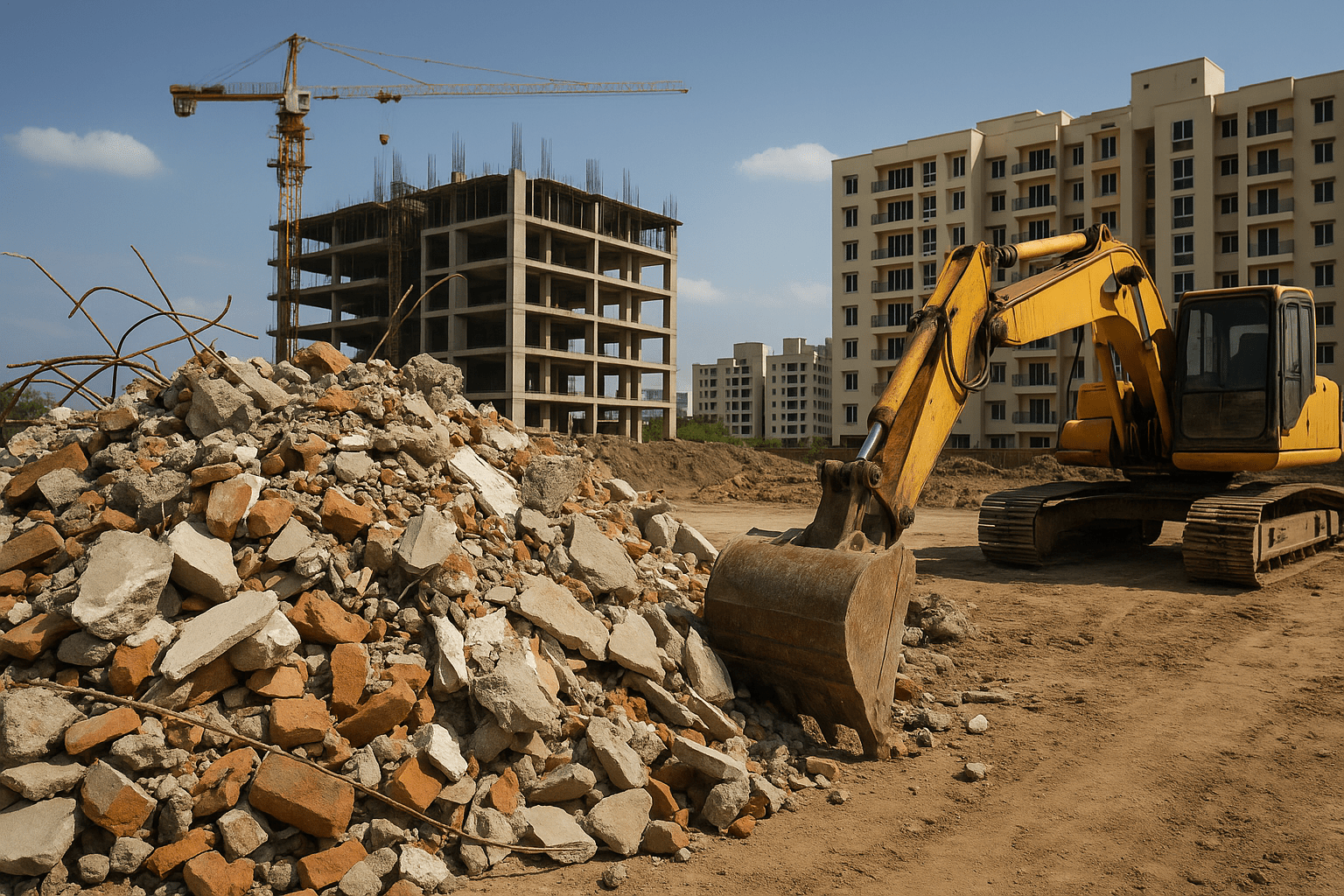
As India’s urban fabric expands at an unprecedented pace, driven by infrastructural ambition and real estate proliferation, construction and demolition (C&D) waste has emerged as a formidable challenge to sustainability. The sector contributes an estimated 150 million tonnes of C&D waste annually, with a glaring gap between generation and recycling. Yet, this byproduct of development … Read more
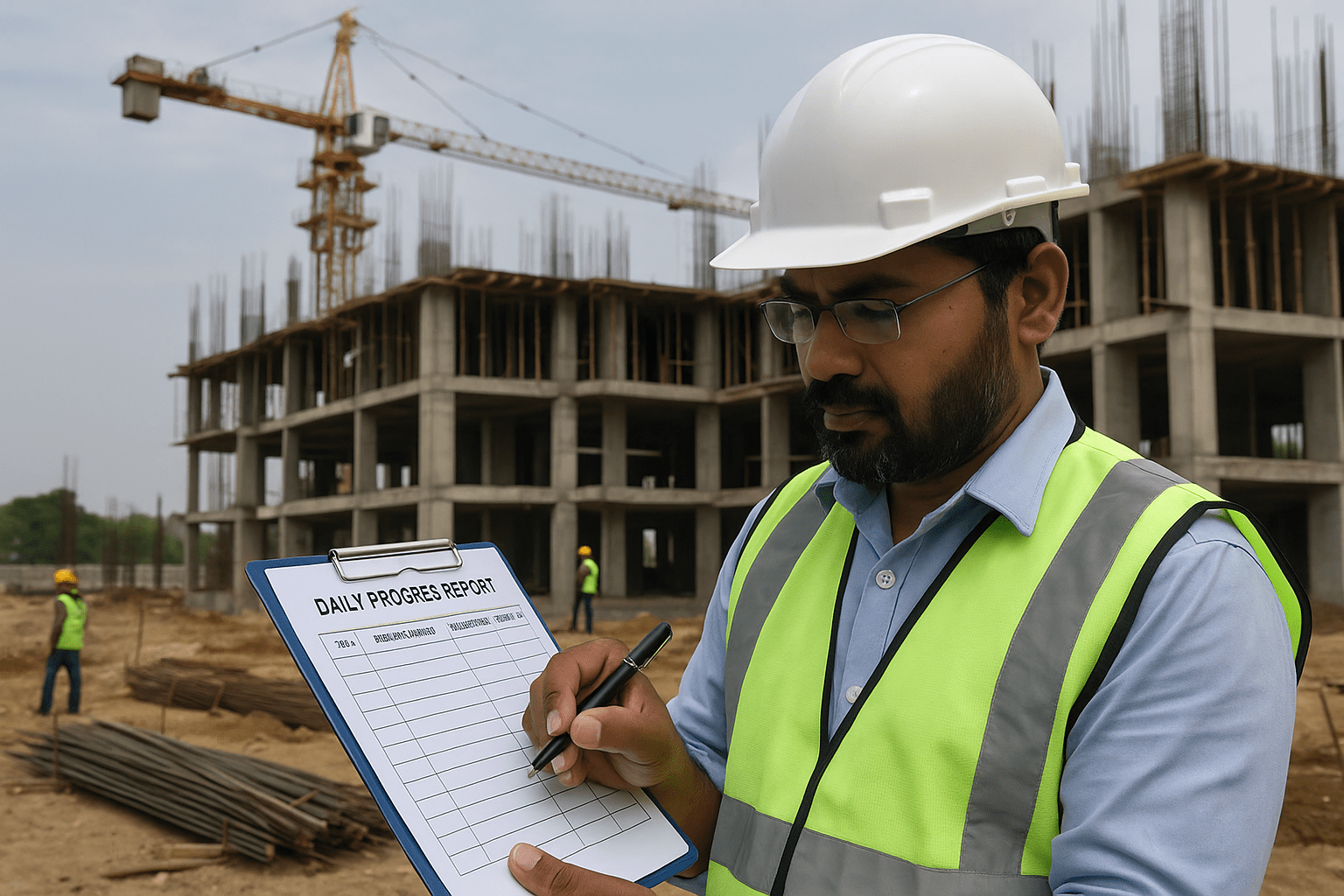
The Strategic Significance of Daily Progress Reports in Indian Construction Site Management

In India’s complex and capital-intensive real estate and infrastructure landscape, where projects must balance regulatory compliance, cost control, and time-bound execution, robust site management systems are essential. Among the most underappreciated yet pivotal tools in this matrix is the Daily Progress Report (DPR). Far from being a mere checklist or clerical exercise, the DPR functions … Read more

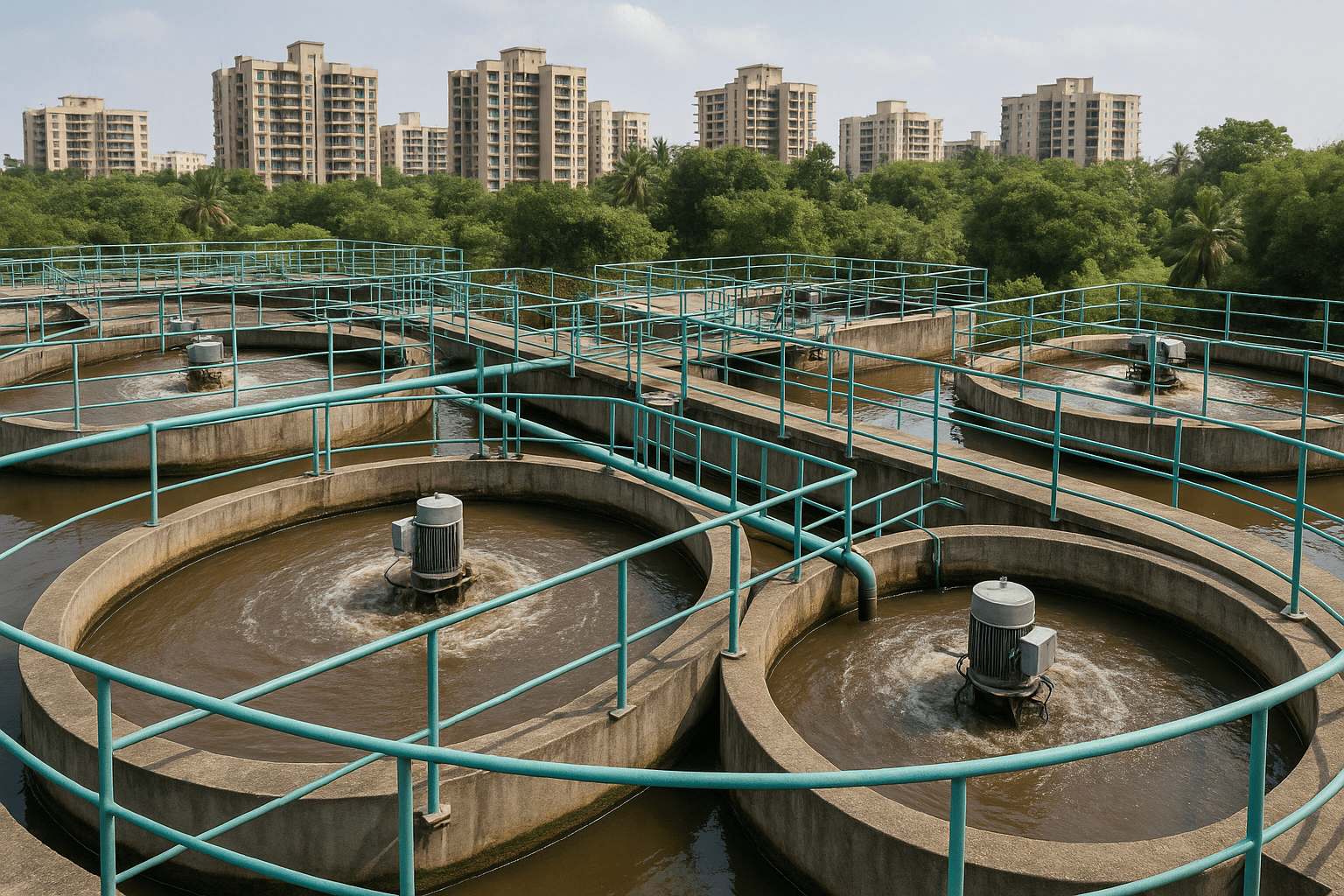
Designing Wastewater Treatment Systems for Indian Housing Societies: A Practical Guide to Sustainable Planning

As Indian cities grow taller and denser, managing wastewater responsibly is no longer optional, it’s essential. Whether it’s a large housing complex, a gated community, or an integrated township, a well-designed wastewater treatment system (WWTS) is now a core component of sustainable urban living. For developers, Resident Welfare Associations (RWAs), and planners, it’s not just … Read more

Revenue Recognition in Indian Real Estate: Strategic Imperatives Under Ind AS 115

In India’s increasingly regulated and capital-intensive real estate sector, revenue recognition has emerged as more than a compliance requirement, it is a fundamental lens through which financial credibility, investor confidence, and project viability are evaluated. For developers, auditors, financiers, and institutional stakeholders, the adoption of Ind AS 115 (Revenue from Contracts with Customers) has redefined … Read more

Accelerating Sales Velocity in Indian Real Estate: Strategic Imperatives for Developers in 2026

In India’s increasingly competitive and capital-intensive real estate ecosystem, sales velocity, the rate at which inventory is converted into bookings, is more than a performance metric; it’s a barometer of project viability, investor confidence, and operational agility. In an environment defined by cyclical demand, regulatory evolution, and digital disruption, optimizing sales velocity is no longer … Read more

Offline vs Online Real Estate Sales Strategy in India: A Comparative Insight for 2026

In the dynamic space of Indian real estate, where urbanisation, digital penetration, and generational wealth transitions converge, the question is no longer whether to go digital, but how to balance digital scale with physical trust. Real estate, especially in India, continues to straddle two paradigms: the traditional offline approach rooted in relationships and tactility, and … Read more

Understanding Settlement Deeds in India: A Smart Legal Tool for Property Succession

In India’s complex property landscape, marked by joint ownership, ancestral rights, and rising disputes, having legal clarity around ownership and succession is crucial. While Wills and partition deeds are commonly used, there’s another powerful legal instrument that deserves attention: the Settlement Deed. Unlike a Will, which comes into effect after a person’s death, a Settlement … Read more

Navigating Legal Disputes in Indian Property Transactions: A Strategic Guide

Real estate in India remains one of the most lucrative yet legally labyrinthine sectors. From title ambiguities and delayed possession to inheritance complexities and builder malpractices, property disputes are not anomalies, they are structural risks in a market characterized by fragmented regulation, legacy issues, and evolving compliance norms. In this guide, we examine the most … Read more

Converting Walk-Ins into Buyers in Indian Real Estate: A Strategic Sales Guidebook for 2026

In India’s highly competitive real estate sector, walk-in prospects represent a high-intent, low-cost lead opportunity. Unlike digital leads that require extensive nurturing, walk-ins are already in the decision-making phase. They’ve taken the initiative to visit a sales office or project site, often after filtering options online. Yet, this opportunity is often squandered due to generic … Read more