
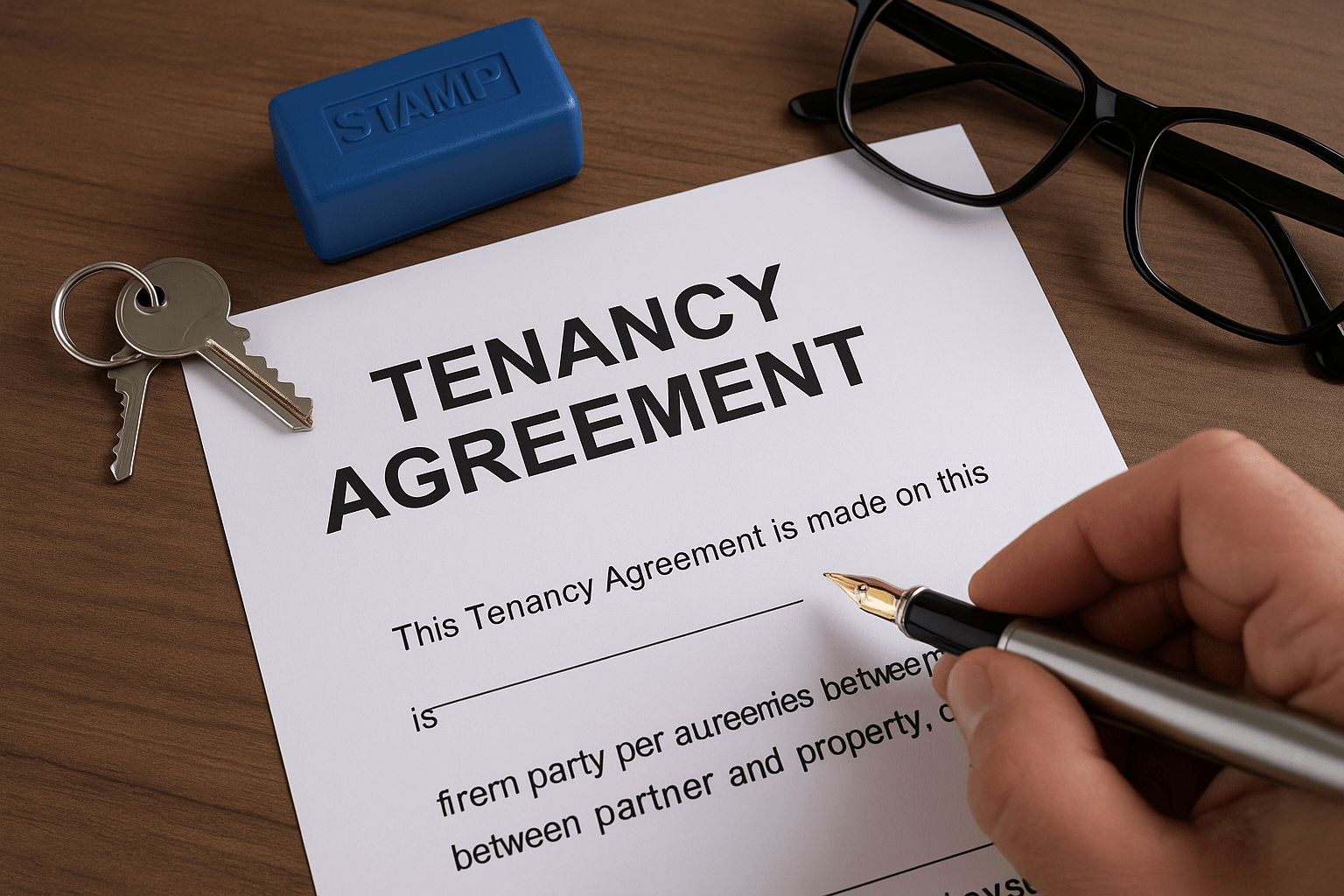
In India’s evolving rental housing ecosystem, where informal arrangements still outnumber formal contracts, a meticulously drafted tenancy agreement is not merely a best practice but a legal necessity. A well-structured rental contract protects the rights of both landlords and tenants while reducing the likelihood of disputes, especially in urban centers experiencing rapid gentrification and tenant turnover.
This article outlines how to draft a tenancy agreement in India that is not only legally enforceable but also structurally sound and contextually relevant in today’s real estate framework.
What Is a Tenancy Agreement?
A tenancy agreement, also referred to as a lease deed or rental contract, is a legally binding document that defines the terms under which a landlord (lessor) allows a tenant (lessee) to occupy premises in exchange for rent. The agreement captures essential obligations, usage rights, and remedies in case of breach, forming the legal architecture of the rental relationship.
Key Components of a Well-Drafted Tenancy Agreement
Identification of the Parties
Include full legal names, permanent addresses, identification details (preferably Aadhaar or PAN), and contact information of both the landlord and the tenant. For corporate tenants, include the company’s registration details and authorized signatory credentials.
Description of the Property
Provide a precise demarcation of the leased premises: full address, built-up area, type (residential or commercial), floor/location within the building, and access rights to common amenities, if any.
Term of Tenancy
Most residential agreements are structured for 11 months to bypass the rigidities of the Rent Control Acts prevalent in several Indian states. Specify whether the lease is renewable and on what terms.
Rent Structure and Escalation Clause
Clearly articulate the monthly rent, due date, acceptable payment channels, and penalties for late payments. Rent escalation, typically 5–10% annually, should be included with fixed timelines.
Security Deposit
Define the quantum of the deposit (usually 2–6 months’ rent, depending on location), its purpose (e.g., against damage or default), and the conditions under which it will be refunded. Ensure timelines for refunds are specified post-vacation.
Maintenance and Repair Responsibilities
Delineate responsibilities: Minor repairs (e.g., leaky taps, electrical fixtures) generally fall under the tenant’s purview, while structural repairs and society-level maintenance rest with the landlord.
Utility and Ancillary Charges
Assign responsibility for utilities such as electricity, water, gas, internet, and society maintenance fees. Clarity here helps avoid operational frictions during the tenancy.
Right of Access and Inspection
Include provisions for the landlord to enter the premises for inspections or repairs, with prior written notice, typically 24 to 48 hours.
Notice Period and Termination Clause
Define the notice period (commonly 1–3 months) required by either party to terminate the agreement prematurely, and the consequences of breach.
Legal Formalities: Stamp Duty and Registration
- Stamp Duty: Varies by state; typically around 1–2% of the average annual rent plus deposit. It must be paid before execution.
- Registration: Mandatory under the Indian Registration Act, 1908, for agreements exceeding 11 months. Non-registration renders the document inadmissible in legal proceedings.
- Police Verification: Though not mandatory under central law, local police departments in many cities require landlords to submit tenant details for security reasons.
Best Practices for Drafting
- Use precise, legally vetted language, avoid colloquial or ambiguous terms.
- Avoid generic online templates without customization for your state laws.
- Ensure both parties sign every page of the document in the presence of two neutral witnesses.
- Retain digital and physical copies securely.
- Update the agreement at each renewal cycle to reflect revised terms.
Common Pitfalls to Avoid
- Omitting clarity on maintenance responsibilities or notice periods
- Failing to register the agreement, rendering it legally weak
- Neglecting police verification where required
- Assuming oral agreements or WhatsApp messages substitute formal contracts
In a country where rental litigation is often protracted and costly, a meticulously drafted tenancy agreement is a preventive legal instrument of paramount importance. It codifies expectations, reduces ambiguity, and enhances enforceability, particularly as India’s real estate sector becomes increasingly institutionalized and investor-driven.
Whether you are a property owner, tenant, or real estate advisor, engaging legal expertise for drafting or reviewing tenancy agreements is not just prudent, it’s essential for safeguarding your interests in a high-stakes asset class.